Gallery Unsealed After 80 Years
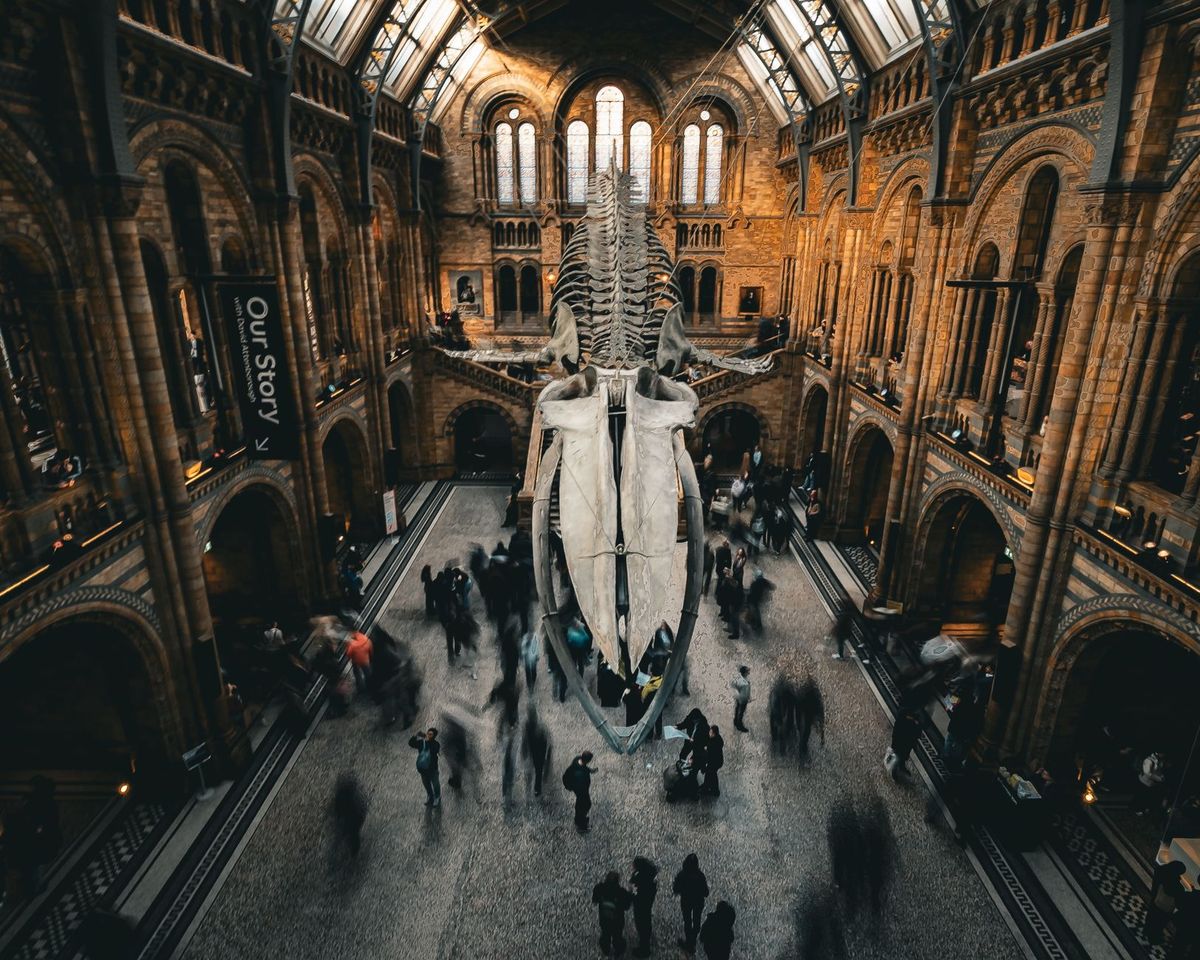
A gallery at London’s Natural History Museum, which has been closed to the public for more than 80 years, has reopened its doors. The space, named Nature and Us, is located on the second floor of the museum’s Waterhouse building and is free to visit.
The gallery features 50 specimens and objects, ranging from a 400,000-year-old handaxe to a Star Wars toy encrusted with bryozoans. These exhibits are designed to explore humanity’s evolving relationship with the natural world.
Dr Doug Gurr, director of the museum, stated, “It’s a wonderful space with a fascinating history, and we’re excited for visitors to discover it for themselves.” He added, “Opening the doors is a really special moment for everyone involved in bringing this space back to life, and we can’t wait to see visitors exploring it for the first time.”
The gallery has been shut since 1943. It was previously used as an osteology (skeleton) gallery and a mammals gallery. After the museum’s original herbarium was damaged during World War Two, the space was repurposed to house botanical collections.
A Temporary Return Before Permanent Future
The Nature and Us gallery will initially reopen for 18 months. This period will allow visitors to share feedback to help shape a planned permanent gallery, which is expected to open in 2029. Visitors can still see the room’s original wooden herbarium cabinets, which remain in place.
The exhibition is supported by the Natural Environment Research Council (NERC). Claire Andrews, head of community engagement at NERC, said the space would help audiences “explore our evolving connection with nature.”
This reopening is part of the museum’s NHM150 campaign, a wider transformation project for its South Kensington site. The initiative aims to open a new or revitalised gallery each year leading up to 2031, when the museum marks its 150th anniversary.
The exhibition includes displays on topics such as whaling, rivers and forests granted legal status as living people, and the idea that some species are differentiated by sound. One notable contrast is between a 40,000-year-old carved ivory statue and a 1980s Star Wars toy found in the sea, now covered in tiny animals.
As reported by BBC News, the room itself is considered a star of the show, with its visually distinctive space and heritage as a storage room. Some of the original wooden cupboards, which once housed thousands of plant samples, are still present.
According to ianVisits, the gallery is located above the museum’s main entrance, accessible by heading towards the Giant Sequoia tree slice on the second floor.
Sources






Comments are off for this post.