Introduction
“28 Years Later: The Bone Temple” is a gripping story that blends history, mythology, and horror to captivate audiences with its eerie yet fascinating narrative. The tale explores an ancient temple shrouded in mystery, where centuries of legends collide with modern curiosity, revealing secrets that challenge both time and human understanding. Over nearly three decades, this story has evolved into a cultural phenomenon, intriguing readers and viewers alike with its layers of suspense, symbolism, and historical depth.
Origins of The Bone Temple Legend
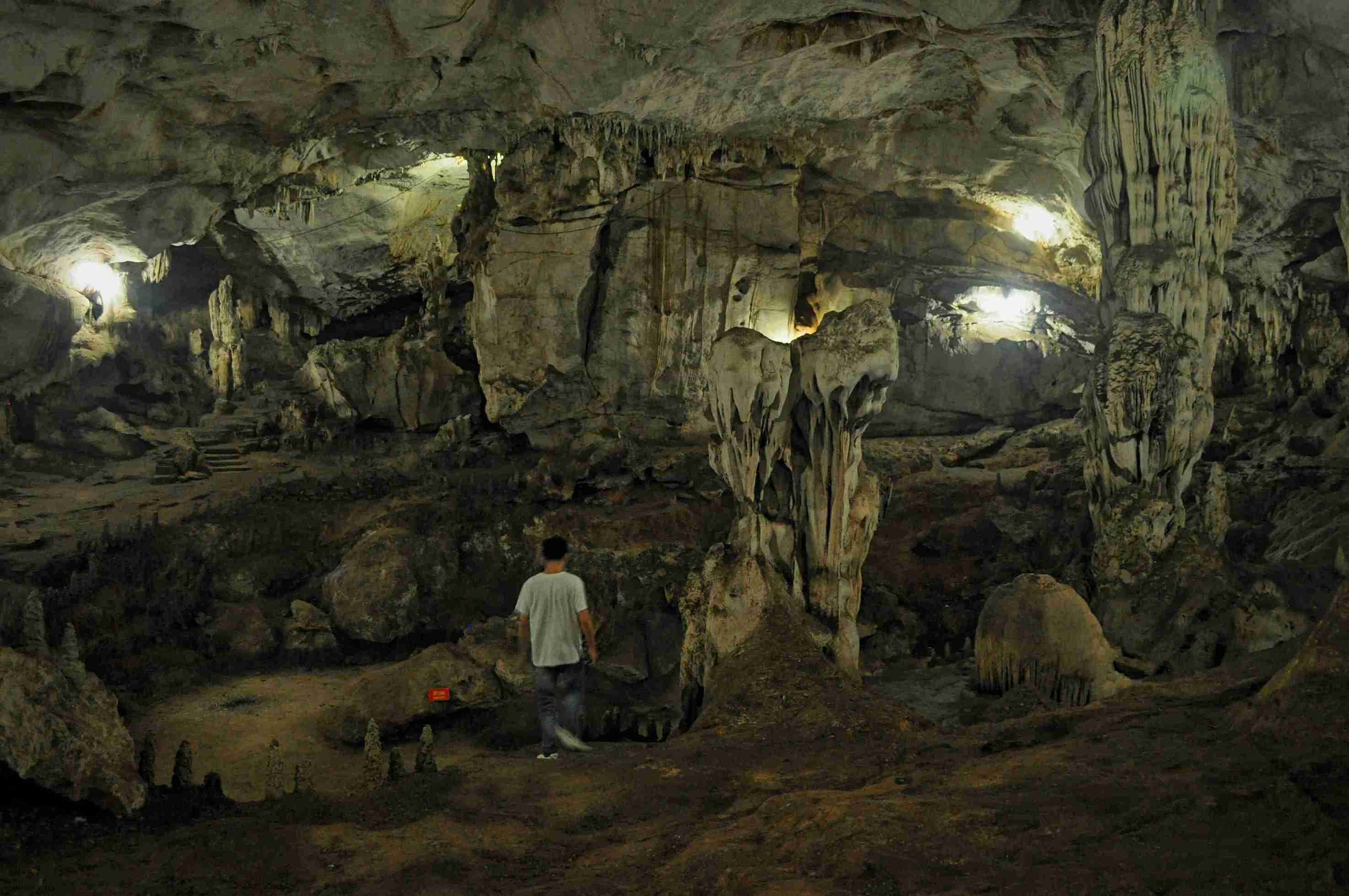
The Bone Temple, as the name suggests, is an ancient structure built with both reverence and macabre artistry. Legends suggest that it was constructed by a forgotten civilization as a ritual site, where bones of revered ancestors were preserved to honor the dead and connect with spiritual realms. Archaeological investigations over the years have unearthed fragments that support parts of the legend, though much remains shrouded in mystery.
The story of the temple first gained wider attention when explorers and historians documented peculiar carvings and arrangements of human remains within the site. These discoveries fueled speculation about the temple’s original purpose, ranging from sacred rituals to warnings for future generations.
The Significance of 28 Years Later
The phrase “28 Years Later” is central to the narrative, representing both a passage of time and a symbolic return to the temple after decades of silence. In the story, a new generation of explorers and researchers ventures back to the site, uncovering secrets that previous generations could not fully comprehend. This passage of time allows the narrative to juxtapose history with the present, highlighting how memory, legend, and interpretation evolve over decades.
The temporal gap also creates suspense, as changes in the temple, natural decay, and human interference contribute to an atmosphere of uncertainty and intrigue.
Architectural and Artistic Elements of The Temple
One of the most striking aspects of The Bone Temple is its architecture. Unlike conventional temples, it incorporates skeletal motifs into its design, using bone-like structures, carvings of ancestral figures, and cryptic symbols that hint at esoteric knowledge. The layout suggests that the temple was not merely functional but intended as a spiritual and psychological experience.
Art within the temple reflects both reverence and terror. Murals and statues depict scenes of life, death, and transcendence, with some interpretations suggesting a narrative that warns of human hubris or guides initiates toward enlightenment. Modern scholars have debated whether the temple’s artistic choices were intended to instill fear, foster spiritual reflection, or preserve ancestral memory.
The Mysteries and Supernatural Elements
Central to the enduring fascination with The Bone Temple are its alleged supernatural occurrences. Visitors report hearing whispers, sensing unseen presences, or witnessing inexplicable movements of objects. In folklore, the temple is considered a liminal space where the boundary between the living and the dead is thin, allowing spiritual energies to manifest.
These supernatural claims are often tied to specific areas of the temple, such as the inner sanctum where bones are arranged in a circular formation. Legends suggest that only those with a pure heart or specific intentions can navigate the sanctum safely, while others face psychological or physical disorientation.
Exploration and Research Over the Years
Since its discovery, The Bone Temple has attracted historians, archaeologists, and thrill-seekers. Each expedition has contributed new insights, though often raising more questions than answers. Early research focused on cataloging the remains, studying the carvings, and dating the structures. Later explorations examined the cultural and religious significance, drawing parallels with other ancient sites that integrate death and spirituality into architecture.
Over 28 years, technology has played a crucial role in uncovering hidden chambers and mapping underground tunnels. Ground-penetrating radar, digital imaging, and forensic analysis of bones have revealed previously unseen structures and patterns, shedding light on the rituals and practices associated with the temple.
Cultural Impact and Interpretations
The Bone Temple has transcended academic interest, influencing literature, film, and popular culture. Writers have used the temple as a backdrop for stories that explore human fear, mortality, and the quest for knowledge. Filmmakers have adapted the legend into suspenseful narratives that blend horror and historical drama, attracting audiences fascinated by both the supernatural and the historical intrigue.
The temple’s symbolism has also inspired discussions on ethics, history, and memory. The careful preservation of human remains raises questions about respect, cultural heritage, and the relationship between past and present.
Lessons from the Temple
Beyond its eerie allure, The Bone Temple teaches profound lessons about humanity’s relationship with death, memory, and legacy. The 28-year gap emphasizes the passage of time, reminding us that understanding history requires patience, reflection, and respect for the past. It also suggests that knowledge is cumulative: each generation uncovers fragments of truth, building upon what came before while adding its interpretations.
Moreover, the temple challenges assumptions about fear and reverence. By confronting mortality through art and ritual, the builders of the temple created a space that transforms dread into contemplation, prompting visitors to reflect on life, legacy, and human purpose.
Conclusion
“28 Years Later: The Bone Temple” is more than a story of mystery and horror; it is a meditation on time, culture, and human curiosity. From its macabre construction to its spiritual and supernatural associations, the temple captures the imagination while inspiring deeper reflection on the human condition. As researchers, explorers, and storytellers continue to engage with this enigmatic site, The Bone Temple remains a testament to humanity’s desire to understand life, death, and the legacy we leave behind.





Comments are off for this post.