Introduction
Iran is one of the world’s most historically rich and geopolitically significant nations. Located at the crossroads of the Middle East, Central Asia, and South Asia, Iran has influenced global civilization for thousands of years. From ancient empires to modern political complexity, Iran remains a country that shapes regional stability, global energy markets, culture, and international relations.
Ancient Persia and Iran’s Historical Roots
Iran was once known as Persia, home to one of the greatest civilizations in human history. The Persian Empire, established over 2,500 years ago, was renowned for governance, infrastructure, tolerance, and culture. Dynasties such as the Achaemenids, Parthians, and Sassanids laid foundations for law, architecture, and administration that influenced civilizations far beyond the region.
The Meaning of Iran Today
The name Iran means “land of the Aryans” and reflects the country’s deep historical identity. While Persia is often used in cultural contexts, Iran is the official modern name. The nation blends ancient traditions with contemporary realities, creating a complex identity rooted in pride, resilience, and continuity.
Geography and Strategic Importance
Iran’s geography gives it immense strategic value. It borders key regions including the Middle East and Central Asia and controls access near the Strait of Hormuz, one of the world’s most critical oil shipping routes. Its diverse landscape includes deserts, mountains, forests, and coastlines, supporting agriculture, trade, and defense.
Iranian Culture and Society
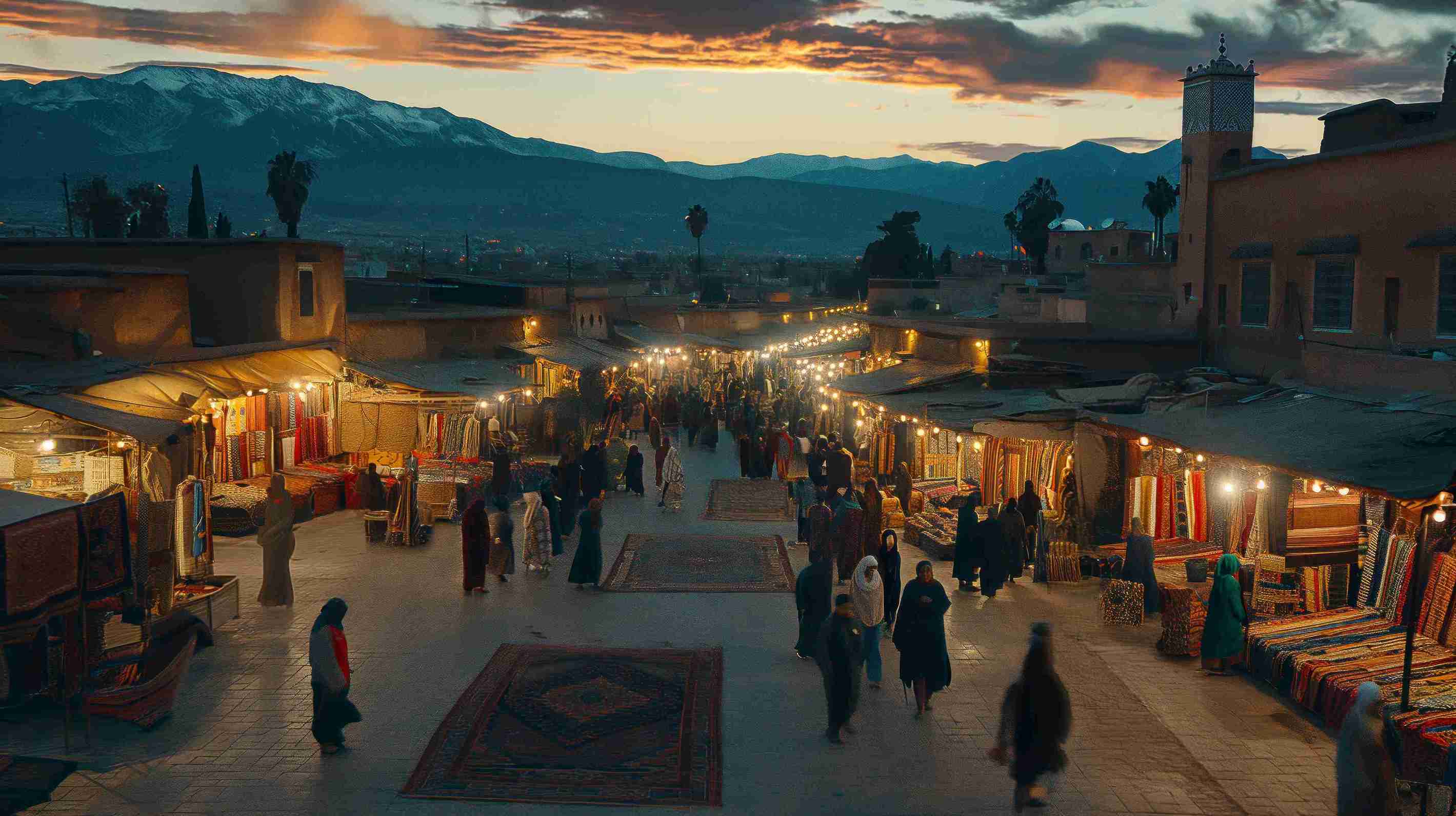
Iranian culture is deeply shaped by poetry, art, music, and family values. Persian literature, including works by Hafez, Rumi, and Ferdowsi, continues to influence global culture. Hospitality, respect for elders, and strong community bonds are central to Iranian social life. Despite political tensions, everyday life in Iran is rich with tradition, creativity, and resilience.
Religion and Identity
Islam plays a central role in Iranian society, with Shi’a Islam being the dominant faith. Religious traditions influence laws, customs, and national celebrations. At the same time, Iran is home to religious minorities, including Christians, Jews, and Zoroastrians, reflecting a long history of religious coexistence.
The 1979 Revolution and Political Structure
Modern Iran was fundamentally reshaped by the 1979 Islamic Revolution, which replaced the monarchy with an Islamic Republic. The political system combines elected institutions with religious leadership, creating a unique governance model. This structure affects domestic policy, foreign relations, and the balance between tradition and reform.
Iran’s Role in Middle Eastern Politics
Iran is a major regional power with influence across the Middle East. Its involvement in regional conflicts, alliances, and diplomacy has made it a key player in global geopolitics. Iran’s relationships with neighboring countries, as well as global powers, significantly impact regional stability and international negotiations.
Economic Landscape and Challenges
Iran has vast natural resources, particularly oil and natural gas, making it one of the world’s largest energy holders. However, economic growth has been challenged by international sanctions, inflation, and unemployment. Despite these obstacles, Iran maintains a strong domestic market, industrial capacity, and a highly educated population.
Science, Education, and Innovation
Iran places strong emphasis on education, producing a large number of engineers, doctors, and scientists. Iranian universities and research institutions contribute to advancements in medicine, technology, and engineering. Innovation continues despite economic and political pressures, reflecting the country’s focus on self-reliance.
Iranian Youth and Social Change
A significant portion of Iran’s population is young, educated, and connected to the world through technology. This generation plays a major role in shaping social trends, culture, and future aspirations. Youth voices influence discussions around reform, opportunity, and global engagement.
Media, Arts, and Cinema
Iranian cinema is internationally respected for its storytelling and artistic depth. Filmmakers from Iran have won major global awards, highlighting social issues, human emotion, and philosophical themes. Music, visual arts, and literature also continue to thrive, often blending tradition with modern expression.
International Relations and Global Perception
Iran’s relationship with the global community is complex. Diplomatic negotiations, sanctions, and security concerns dominate headlines, yet cultural exchange and people-to-people connections persist. Understanding Iran requires separating political narratives from the lived experiences of its people.
Tourism and Heritage
Iran is home to UNESCO World Heritage Sites, ancient cities, mosques, and architectural wonders. Despite limited tourism due to political factors, the country offers immense historical and cultural value. Its cities showcase centuries of craftsmanship, design, and urban planning.
The Future of Iran
Iran’s future will be shaped by internal reforms, economic development, regional dynamics, and global diplomacy. Balancing tradition with modernization remains a central challenge. With its rich history, strategic position, and resilient population, Iran will continue to play a crucial role on the world stage.
Conclusion
Iran is a nation defined by depth, complexity, and endurance. From ancient Persia to modern geopolitics, it remains influential in culture, energy, and international affairs. Understanding Iran means looking beyond headlines to appreciate its people, history, and evolving role in the global landscape.




Comments are off for this post.