Iran-backed Houthi forces have made a swift advance in western Yemen, displacing nearly 50,000 civilians and seizing strategic locations, including Mayun Island. This military push has intensified concerns over global shipping through the Bab al-Mandab Strait, a critical maritime chokepoint.
Houthi Advance Displaces Thousands Amid Escalation
The sudden Houthi advance has seen the militant group seize a string of towns along the Red Sea coast from forces aligned with the US- and Saudi-backed Yemeni government. Aid workers report that entire villages have been emptied, and families are trapped near frontline fighting with depleting food supplies.
The UN International Organization for Migration (IOM) stated that 46,000 people have been displaced across the governorates of Taiz and Hodeidah. Many of these families are experiencing displacement for the second or even third time. Joe Lowry, IOM’s Middle East and North Africa spokesperson, described the situation as “highly fluid and uncertain,” with civilians bearing the brunt of renewed warfare, airstrikes, and large-scale displacement. Urgent needs include emergency shelters, cash assistance, food, drinking water, and healthcare.
This renewed violence marks the end of over four years of relative calm since a UN-brokered peace plan in 2022. The UN special envoy for Yemen, Hans Grundberg, warned an emergency Security Council meeting that the country faced “a new and more dangerous phase of war” that threatens to plunge Yemen into a prolonged conflict with global repercussions, according to The Guardian.
Strategic Control of Bab al-Mandab Strait
A key development in the Houthi advance is the seizure of the strategic port city of Mocha and Mayun Island, also known as Perim. Mayun is a 13-square-kilometre volcanic island located in the heart of the Bab al-Mandab Strait. This strait, a 20-mile stretch of water, is a vital global trade and energy route connecting Asia with Europe and serving as the southern entrance to the Red Sea, which is linked to the Suez Canal.
By controlling Mayun Island, which divides Bab al-Mandab into two channels, the Houthis now possess a physical outpost within the strait. They also control surrounding areas, including Hanish Island and Yemen’s entire Red Sea coastline. Wolfgang Pusztai, a security analyst, told Al Jazeera that the Houthis now have the “real capability to shut down any maritime traffic through Bab al-Mandab if they want to.” While the Houthis are in a strong position to hold the island in the short term, its long-term defence against an amphibious assault remains challenging, according to Andreas Krieg of King’s College London.
Global Economic Repercussions and Iran’s Influence
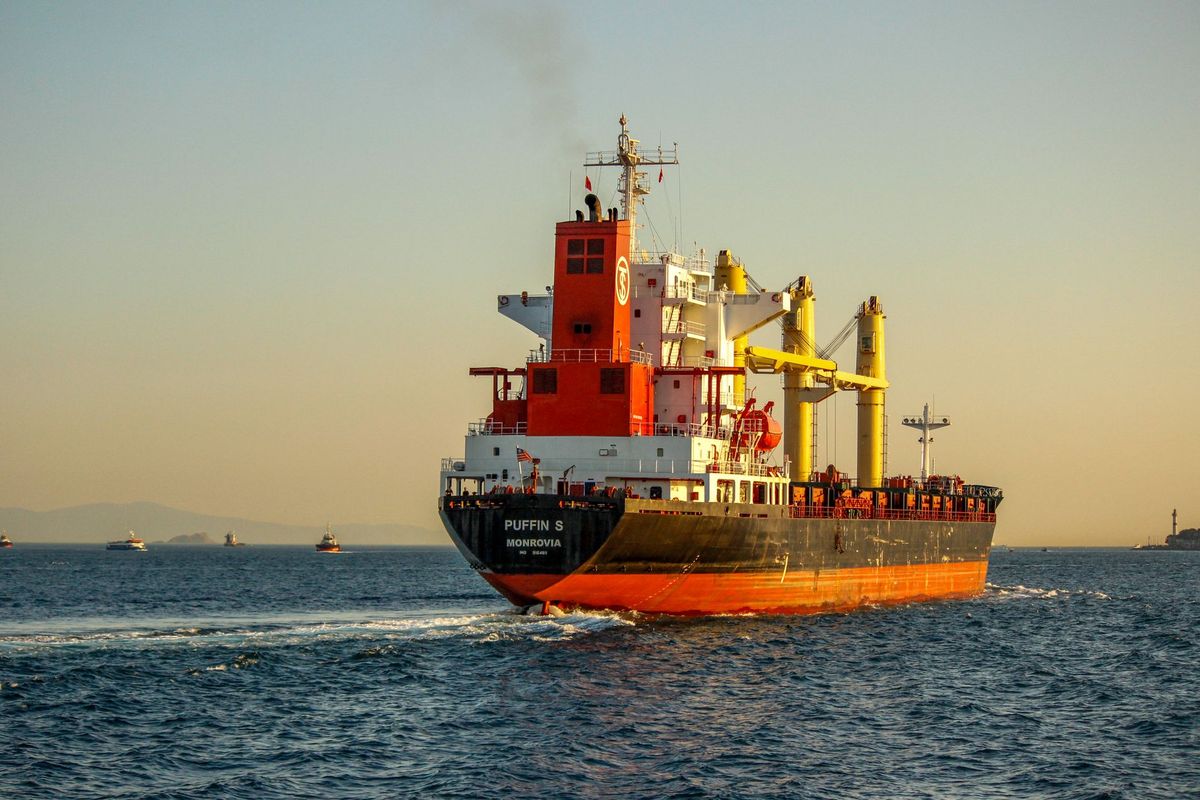
The potential for disruption in the Bab al-Mandab Strait carries significant global economic consequences. The fighting in Yemen has already contributed to oil prices rising above $100 a barrel, up from around $80 previously, as reported by BBC News. If the Houthis were to close this natural chokepoint, ships would be forced to reroute around the southern tip of Africa, adding thousands of extra nautical miles to journeys.
Economist Javed Hassan warned Al Jazeera that such disruption would lead to increases in war-risk insurance and charter rates, creating an “inflationary shock through several commodities at once.” The Houthis have stated that general shipping in the Red Sea and Bab al-Mandab is safe from attacks, except for vessels linked to Saudi Arabia, against which they will continue a “siege for siege” strategy. However, the group has previously targeted over 100 commercial ships between November 2023 and mid-2025, some of which had no apparent links to Israel or its allies, despite Houthi claims of solidarity with Palestinians in Gaza.
The Iran-backed nature of the Houthi militants means their advance benefits Iran in its broader regional struggle. Analysts suggest it could give Tehran new leverage over global chokepoints, making a potential blockade of the Strait of Hormuz, which was effectively closed by the US-Israel war on Iran earlier this year, even more efficient. For more on regional tensions, read about US Strikes Iran Amid Rising Tensions.
Frequently Asked Questions
-
What is the Bab al-Mandab Strait?
The Bab al-Mandab Strait is a 20-mile stretch of water and a vital trade and energy route connecting Asia with Europe. It serves as the southern entrance to the Red Sea, which has the Suez Canal at its northern end.
-
How many people have been displaced by the recent Houthi advance in Yemen?
Nearly 50,000 Yemeni civilians have fled a sudden advance by Houthi forces. The UN International Organization for Migration (IOM) reported 46,000 people displaced across the governorates of Taiz and Hodeidah.
-
What is the Houthi position on international shipping in the Red Sea?
The Houthis have stated that general shipping in the Red Sea and Bab al-Mandab is safe from attacks, with the exception of vessels linked to Saudi Arabia, which they intend to blockade as part of a “siege for siege” strategy.
-
How could the Houthi advance affect global oil prices?
The fighting in Yemen has already contributed to oil prices rising above $100 a barrel. If the Houthis were to close the Bab al-Mandab strait, ships would have to reroute around Southern Africa, potentially causing war-risk insurance and charter rates to rise, leading to inflationary shocks across various commodities.







Comments are off for this post.