The United States has launched fresh strikes against Iranian targets, including an oil tanker in the Strait of Hormuz, amidst escalating geopolitical tensions. Reports from multiple news outlets, including the BBC and CNN, indicate that US forces have been actively engaged, with strikes described as occurring for a fifth consecutive day.
President Trump has issued a direct warning to Tehran, stating that Iran “better behave,” according to the BBC. These recent actions mark a significant escalation in the ongoing regional instability, with The Guardian reporting attacks on an oil tanker and strikes within Tehran itself on July 16, 2026.
Background
The situation in the Middle East has seen increasing volatility, with global powers closely monitoring developments. While specific historical context is not provided in the current source material, the repeated US actions against Iranian targets signal a period of heightened confrontation. The Strait of Hormuz, a critical waterway for global oil shipments, has become a focal point, as demonstrated by the recent attack on an oil tanker detailed by The Guardian and CNN. This area is crucial for international trade, and any disruption can have far-reaching economic implications. The sustained nature of these operations, with the US “pounding Iranian targets for fifth day,” as reported by CNN, underscores the severity of the current situation.
Main Developments: Fresh Strikes and Warnings
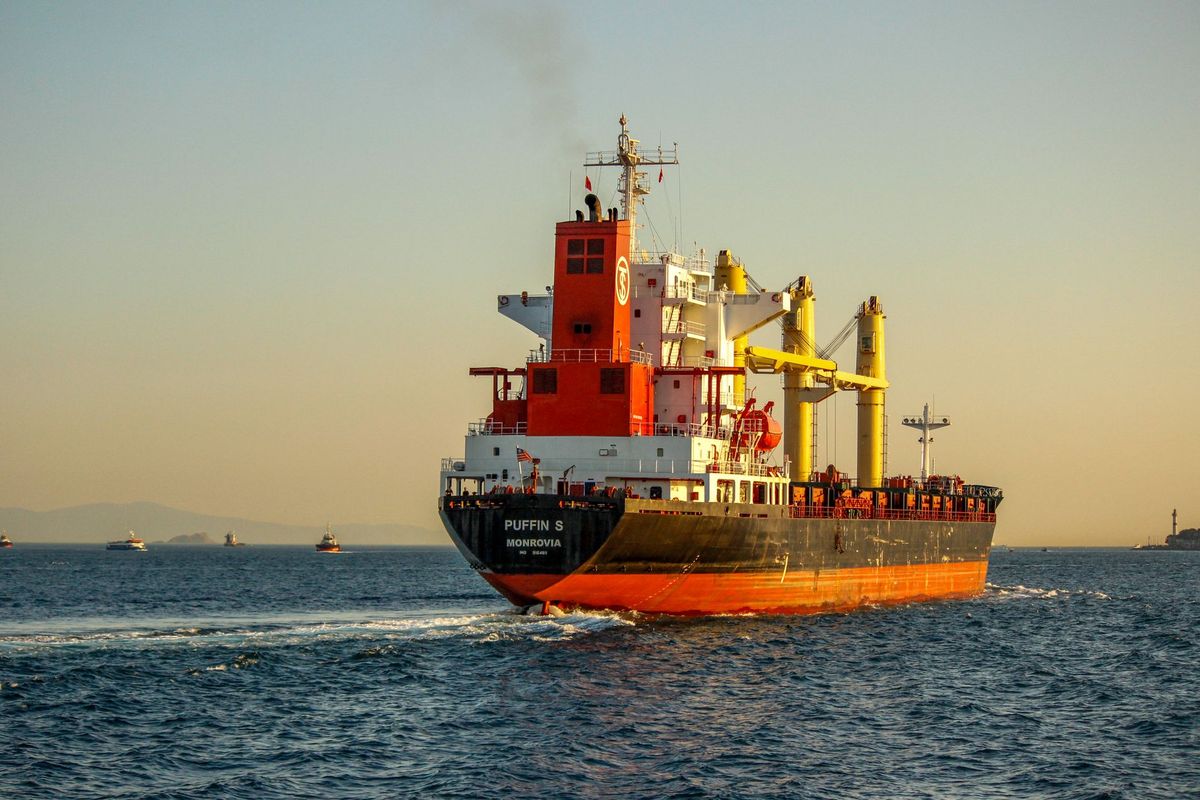
On July 16, 2026, the US intensified its military actions against Iran. According to the BBC, the US launched “fresh strikes” on Iranian territory. These operations are not isolated incidents; CNN’s live updates confirm that the US has been “pounding Iranian targets for fifth day.” A key development reported by both CNN and The Guardian is the strike on an oil tanker. Specifically, The Guardian notes a US attack on an oil tanker in the Strait of Hormuz, a strategic choke point for global energy supplies. Concurrently, strikes have also been reported in Tehran, according to The Guardian.
In conjunction with these military actions, President Trump delivered a stark message to the Iranian government. The BBC quoted President Trump warning Tehran that it “better behave.” This public statement from the US President highlights the strong rhetoric accompanying the military operations and underscores the diplomatic pressure being exerted on Iran amid the escalating tensions. These combined military and diplomatic pressures form the immediate backdrop of the current crisis, drawing global attention to the volatile region.
Main Developments: Strategic Implications
The targeting of an oil tanker in the Strait of Hormuz, as reported by The Guardian, carries significant strategic weight. This waterway is vital for global energy markets, and actions within it can ripple through international economies. Such attacks underline the potential for disruption to oil supplies, which can impact prices and economic stability worldwide. Furthermore, the reports of strikes occurring directly within Tehran, also noted by The Guardian, indicate a broadened scope of operations beyond specific military installations, suggesting a deepening of the conflict. The consistent nature of these engagements, described by CNN as the US “pounding Iranian targets for fifth day,” suggests a sustained campaign rather than isolated incidents.
Such developments in international relations often lead to widespread discussions and analysis, much like how past sporting events, such as the England’s 2018 World Cup Semi-Final Re-examined, continue to generate debate. While the focus here is on current geopolitical events, the broader context of complex international dynamics remains relevant. The scale and duration of these US actions, along with the direct warning from President Trump, point to a period of elevated risk in the Middle East, with potential consequences for global stability and security. The international community, including major European powers, will be closely watching for any further developments, as these tensions could significantly impact trade routes and economic forecasts.
FAQ Section
- Q: What recent actions has the US taken against Iran?
- A: According to the BBC, the US launched fresh strikes on Iran. CNN further reports that the US has been pounding Iranian targets for a fifth day, including striking a tanker bound for a key oil port. The Guardian also notes a US attack on an oil tanker.
- Q: Where have these US strikes been reported?
- A: Strikes have been reported in Tehran, and an oil tanker was attacked in the Strait of Hormuz, according to The Guardian.
- Q: What warning did President Trump issue to Iran?
- A: President Trump warned Tehran it “better behave,” as reported by the BBC.
- Q: When did these events occur?
- A: These events were reported on July 16, 2026, according to CNN and The Guardian.
What this means for you
For London and UK news readers, these developments in the Middle East represent a critical unfolding of global events. While the source material focuses specifically on US actions, the ramifications of increased tensions in a region vital for global energy supplies can indirectly affect daily life in the UK. Potential impacts could include fluctuations in global oil prices, which can influence petrol costs and the broader economy. The stability of international trade routes, such as the Strait of Hormuz, is also crucial for the smooth functioning of global commerce, affecting everything from supply chains to consumer goods.
Staying informed about these international developments is key to understanding the broader global landscape. Just as enthusiasts might follow specific cultural phenomena, like new releases in Magic: The Gathering Unveils Star Trek Crossover Details, or local sports events such as Aldershot Town to Host Portsmouth Friendly at 5pm, understanding major geopolitical shifts provides context for the wider world. The reporting from outlets like the BBC and The Guardian serves as a window into these significant events, helping our audience grasp their potential global and indirect local implications.





Comments are off for this post.