A significant development has unfolded in Ukraine with President Volodymyr Zelenskyy’s decision to dismiss the nation’s defence minister, Mykhailo Fedorov. This high-level government reshuffle has not been met without substantial public reaction, as protests have rapidly emerged in various Ukrainian cities against the removal of the minister. The situation has been further intensified by a direct response from the outgoing official, who has reportedly launched an attack on President Zelenskyy following his dismissal.
Reports indicate that thousands of citizens have taken to the streets to protest against the firing, according to the Financial Times. In response to the growing dissent and the outgoing minister’s criticism, President Zelenskyy has publicly defended his decision to sack Mykhailo Fedorov, as detailed by The Guardian.
Background
The dismissal of Ukraine’s defence minister, Mykhailo Fedorov, by President Volodymyr Zelenskyy marks a notable and impactful shift within the country’s governmental structure. This change in leadership has quickly become a focal point of national discussion and public engagement. The immediate emergence of protests in Ukrainian cities underscores the public’s strong reaction to the decision to remove Minister Fedorov. Further complicating the political landscape is the reported strong condemnation from the outgoing minister himself, who has publicly attacked President Zelenskyy.
This sequence of events—the significant leadership change, the public demonstrations, and the direct criticism from a former high-ranking official—has drawn considerable attention both within Ukraine and on the international stage. The President’s decision to remove Mykhailo Fedorov from his crucial role as defence minister has thus become a central issue, prompting widespread calls for transparency and understanding regarding the rationale behind such a move.
Protests and Reactions Across Ukraine
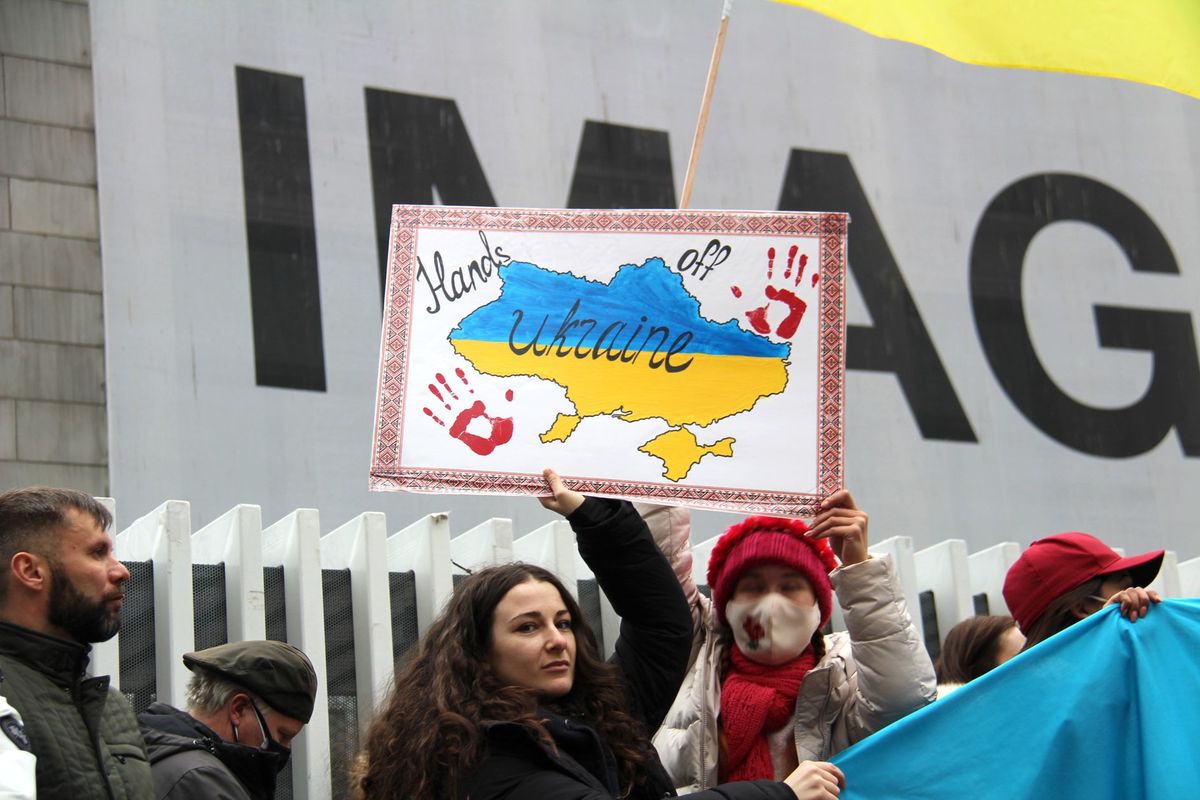
Following the announcement of Mykhailo Fedorov’s removal from his position as defence minister, a wave of protests has erupted across numerous Ukrainian cities. These demonstrations serve as a visible sign of public discontent and reflect widespread sentiment regarding President Zelenskyy’s decision. The scale of these protests is significant, with reports indicating that thousands of individuals have participated, actively voicing their opposition to the firing of the defence minister, as highlighted in various reports.
The demonstrations specifically target President Zelenskyy’s action to remove Defence Minister Fedorov, according to reporting by the BBC, clearly indicating the public’s stance. The fact that these protests are occurring in multiple Ukrainian cities suggests a national scope to the discontent, elevating the situation to a prominent position in national public discourse. The visibility and participation in these protests underline the perceived gravity of the leadership change within the defence sector, making it a critical issue for public attention.
Zelenskyy Defends Decision Amidst Criticism
In the wake of the considerable public outcry and the direct criticism emanating from the outgoing defence minister, President Volodymyr Zelenskyy has felt compelled to address the situation publicly. As reported by The Guardian on July 16, 2026, President Zelenskyy has publicly defended his decision to sack Ukraine’s defence minister, Mykhailo Fedorov. This defence comes at a particularly sensitive time, as the political climate in Ukraine is currently marked by ongoing protests against the firing and the direct attack by Fedorov himself.
The specific justifications provided by Zelenskyy for this significant change in leadership, and the precise nature of Fedorov’s criticism against the President, are central to fully comprehending the unfolding developments. While the exact details of these statements are not comprehensively outlined in the provided source materials, the occurrence of an attack from the outgoing minister against Zelenskyy, coupled with the President’s subsequent public defence, clearly indicates a period of considerable political tension and scrutiny surrounding this high-profile dismissal. The President’s rationale for such a major reshuffle will undoubtedly remain a key subject of public and political debate.
Frequently Asked Questions
-
Q: Who was dismissed by President Zelenskyy?
A: President Volodymyr Zelenskyy dismissed Ukraine’s defence minister, Mykhailo Fedorov. This significant government decision has generated substantial public attention and has led to protests across various Ukrainian cities.
-
Q: What has been the public reaction to the dismissal?
A: The dismissal has prompted widespread protests in Ukrainian cities, with thousands reportedly demonstrating against the decision to fire Mykhailo Fedorov, according to the Financial Times.
-
Q: How has the outgoing defence minister responded?
A: Ukraine’s outgoing defence minister, Mykhailo Fedorov, has reportedly attacked President Zelenskyy following his dismissal. This criticism has coincided with the widespread public protests against the firing.
-
Q: Has President Zelenskyy commented on the dismissal?
A: Yes, President Zelenskyy has publicly defended his decision to sack Mykhailo Fedorov. This defence was reported by The Guardian on July 16, 2026, amidst the ongoing public outcry.
What this means for you
For London and UK news readers, the dismissal of Ukraine’s defence minister, Mykhailo Fedorov, by President Volodymyr Zelenskyy represents a significant political event in a nation of crucial international interest. This development, characterised by widespread protests across Ukrainian cities and a direct attack from the outgoing minister against President Zelenskyy, signals a period of internal political flux and potential instability. While the full ramifications of this leadership change are still unfolding, the immediate public reaction and the dispute between key figures are critical points of ongoing concern for those monitoring global affairs.
Staying informed on these fast-moving developments, as reported by reputable sources, provides crucial insight into the evolving political landscape of Ukraine. This situation underscores the dynamic nature of both internal governance and international relations, highlighting how leadership changes in key regions can have broader geopolitical implications.





Comments are off for this post.