
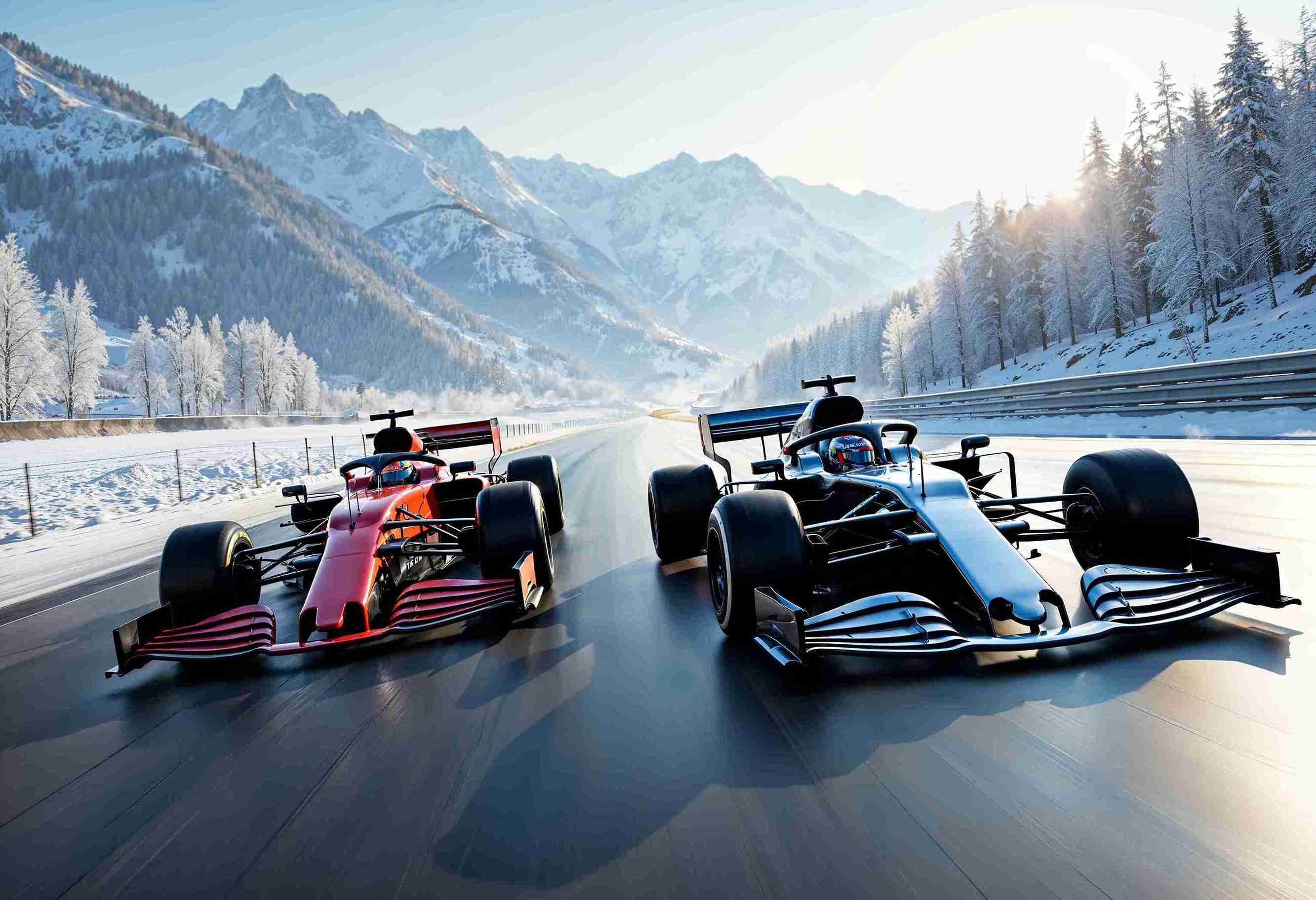
Introduction: Alpine F1’s Journey in Formula 1
Alpine F1, formerly known as Renault F1 Team, has steadily emerged as one of the most exciting and ambitious teams in modern Formula 1. Rebranded in 2021 to promote Renault’s Alpine sports car division, the team has combined technical innovation, strategic thinking, and driver talent to compete at the pinnacle of motorsport.
From heritage roots in French racing to contemporary successes, Alpine F1 exemplifies determination, engineering excellence, and the pursuit of podium finishes. With a clear vision for growth, the team continues to attract attention for its performance, technological developments, and competitive spirit.
History and Rebranding: From Renault to Alpine
The team’s story dates back to Renault’s first F1 entry in the late 1970s. Renault pioneered turbocharged engines, reshaping Formula 1 engineering. Over the decades, the team achieved multiple victories and two Constructors’ Championships, establishing a legacy in the sport.
In 2021, Renault rebranded the team as Alpine F1 Team, symbolising its focus on high-performance sports cars and French engineering excellence. This strategic move aimed to highlight Alpine’s road-car brand while continuing to compete strongly in Formula 1. The rebrand also signalled a new era with refreshed livery, management, and long-term goals.
Technical Excellence and Car Development
Alpine F1 is known for its innovative engineering. The team’s technical division invests heavily in aerodynamics, chassis design, and power unit development. Alpine’s cars are designed to be competitive across a variety of circuits, blending speed, reliability, and adaptability.
The A522 and A523 models, for example, showcased improvements in aerodynamics and weight distribution. Alpine’s engineers focus on optimising airflow, downforce, and tyre performance to maximise lap times. The integration of advanced simulation technologies allows the team to fine-tune setups before hitting the track.
Power Unit and Engine Performance
Alpine’s F1 cars are powered by Renault’s cutting-edge hybrid power units. The team continually develops the internal combustion engine (ICE), energy recovery systems, and battery efficiency to maintain competitiveness in the hybrid era.
Engine reliability, fuel management, and thermal efficiency are crucial in modern Formula 1, and Alpine has made significant strides in these areas. Collaborations between power unit specialists and chassis engineers ensure seamless integration, providing drivers with consistent and responsive performance.
Drivers and Team Line-Up
Alpine F1 has attracted talented drivers who combine experience, technical feedback, and racecraft. Current drivers bring speed, consistency, and a competitive edge, contributing to the team’s growth.
Drivers’ ability to communicate technical feedback is critical, allowing engineers to optimise car setups. Alpine emphasises a collaborative approach, integrating driver insights into strategic decisions and car development. Young talents and experienced racers alike have contributed to memorable performances, podium finishes, and strong race strategies.
Race Strategy and Performance in the 2020s
Alpine F1 has focused on improving race-day strategy, pit-stop efficiency, and tyre management. Competing against well-established teams like Mercedes, Red Bull, and Ferrari, Alpine has often relied on tactical ingenuity to extract maximum points.
The team has displayed the ability to adapt strategies mid-race, whether opting for undercuts, overcuts, or two-stop plans. Drivers’ racecraft combined with real-time data analysis allows Alpine to remain competitive on diverse circuits, from tight street tracks to high-speed circuits.
Innovation and Sustainability Initiatives
In addition to performance, Alpine F1 emphasises sustainability. The team is involved in reducing carbon emissions, improving energy efficiency, and supporting hybrid technology research. These initiatives align with Formula 1’s broader goal of achieving net-zero carbon emissions by 2030.
Alpine’s commitment to environmental responsibility extends to its road-car division. Technologies developed in Formula 1, such as hybrid power units and energy recovery systems, often influence Alpine’s high-performance sports cars, bridging racing innovation with consumer technology.
Key Achievements and Milestones
Since the rebrand, Alpine has achieved notable results, including podium finishes and competitive points in the Constructors’ Championship. Their first victory under the Alpine banner, achieved in a dramatic and tactically complex race, underscored the team’s potential to challenge top-tier rivals.
Milestones in car development, power unit reliability, and young driver performance have helped Alpine build momentum for future seasons. Each race provides data, experience, and insight, feeding into long-term strategies for championship contention.
Challenges and Competitiveness
Alpine faces significant challenges in Formula 1, including intense competition, regulatory changes, and technological evolution. Competing against teams with larger budgets and deeper resources requires strategic ingenuity and meticulous attention to detail.
Driver consistency, car reliability, and adaptability to weather or circuit conditions are critical. Alpine must maintain a balance between aggressive development and sustainable progress, avoiding setbacks that could compromise performance.
Fan Engagement and Global Presence
Alpine F1 has worked to expand its fan base globally. Engaging content, social media interaction, and behind-the-scenes insights allow fans to connect with the team and drivers. Merchandise, racing experiences, and interactive campaigns enhance brand visibility and loyalty.
The team’s French heritage and Alpine sports car branding appeal to enthusiasts of high-performance engineering, design, and motorsport culture. By combining heritage with modern innovation, Alpine strengthens its identity on and off the track.
Future Prospects and Ambitions
Looking ahead, Alpine F1 aims to consistently challenge for podiums and, eventually, championship titles. Continued investment in car development, young talent, and strategic leadership positions the team for growth.
The team’s long-term vision focuses on blending competitive performance with sustainable technology. By nurturing young drivers, improving engineering capabilities, and leveraging data analytics, Alpine intends to become a permanent contender in Formula 1’s elite echelon.
Conclusion: Alpine F1’s Role in Modern Motorsport
Alpine F1 Team represents the fusion of French engineering, innovation, and competitive spirit. From strategic car development to skilled drivers, the team has evolved into a respected competitor in Formula 1.
As the team continues to refine performance, embrace sustainability, and engage fans, Alpine F1’s presence in the sport is likely to grow. With ambition, talent, and technical expertise, Alpine aims to leave a lasting mark on modern Formula 1 racing.



Comments are off for this post.