Good Morning Britain presenter Richard Madeley recently experienced an unexpected on-air moment when he was “caught yawning live on air” during a broadcast. The incident, which quickly attracted attention, reportedly followed an “unexpected tech issue,” according to reports from Wales Online. This spontaneous human reaction offered viewers a candid glimpse into the unpredictable nature of live television.
As a prominent figure on a major UK breakfast show, Madeley’s unexpected yawn during a live segment underscored how even experienced presenters can be subject to unscripted occurrences, particularly when technical difficulties arise.
Background to Live Broadcasts
Good Morning Britain is a cornerstone of UK breakfast television, broadcast live for several hours each weekday. The programme covers a wide array of topics, from national news to human-interest stories, all within a fast-paced format. Presenters on such shows often begin their days exceptionally early to prepare for the live broadcast, requiring significant stamina.
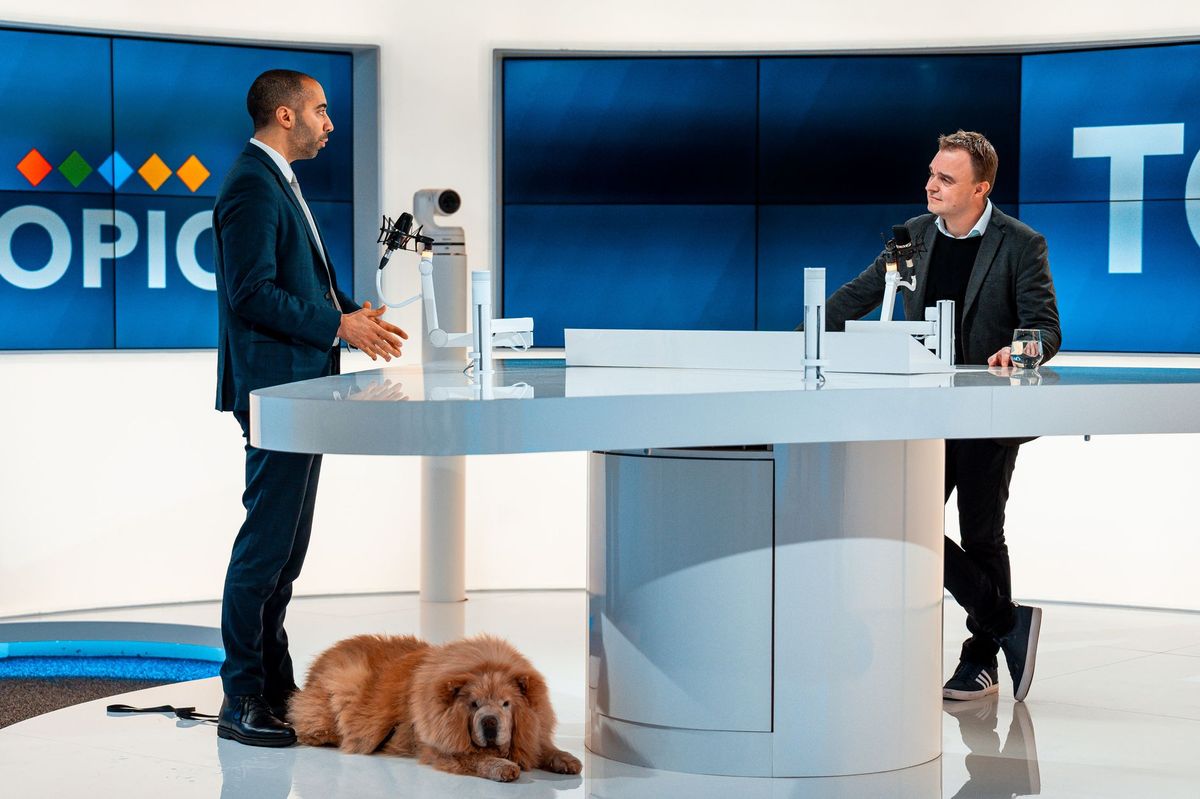
The live environment of television production is complex, relying heavily on a seamless interplay of various technologies. From cameras and microphones to sound mixers, numerous technical components must function perfectly. Any disruption, such as an “unexpected tech issue,” can create immediate and unforeseen complications for on-air talent and the production team, demanding quick thinking and adaptability.
The On-Air Incident and Its Context
The incident involving Richard Madeley unfolded during a live segment. Viewers observed the experienced presenter yawning on screen, a moment swiftly reported by Wales Online, linking it directly to an “unexpected tech issue.” Such unscripted moments, while brief, often capture public attention, sometimes circulating widely online.
Live television offers no opportunity for retakes. Presenters are expected to maintain composure even when faced with technical problems. An “unexpected tech issue” can add pressure, potentially affecting focus or leading to natural human reactions like a yawn. These instances serve as a reminder of the human element behind the polished facade of broadcasting.
The rigorous schedule and early starts for breakfast television place significant demands on presenters. Maintaining peak performance and an alert demeanour throughout an extended live broadcast, especially with unforeseen technical difficulties, requires considerable stamina. These circumstances can lead to candid, unscripted moments that resonate with viewers, revealing human vulnerability in a polished setting. The incident exemplifies how live television challenges can manifest in unexpected ways, creating memorable moments for the audience across the UK.
FAQ
-
Q: Who was caught yawning live on Good Morning Britain?
A: Good Morning Britain star Richard Madeley was caught yawning during a live broadcast.
-
Q: What was the reported cause of the yawn?
A: According to Wales Online, the yawn reportedly occurred after an unexpected tech issue on set. You can find more information about this incident here: Wales Online.
-
Q: Are unexpected incidents common on live television?
A: Yes, live television, by its nature, can often feature unscripted moments due to technical challenges or the spontaneous reactions of individuals on screen. Broadcasters like Good Morning Britain operate in a high-pressure, live environment, making such occurrences a possibility.
-
Q: Where can I find additional context on GMB incidents?
A: Various news outlets have reported on unexpected live television moments involving Good Morning Britain, highlighting the unique challenges of the format. For instance, general instances of GMB presenters facing challenges during broadcasts have been covered. You can find more general context here: Daily Express.
What this means for you
For London and UK news readers, moments like Richard Madeley’s on-air yawn offer a reminder of the human element behind the news. While we rely on programmes like Good Morning Britain for timely and clear coverage, these live broadcasts are not immune to occasional human moments or technical hiccups. It underscores that even seasoned professionals in high-pressure, live environments are susceptible to natural reactions, especially when faced with unforeseen circumstances such as technical issues. These candid instances serve as small windows into the daily realities of live television production, making the personalities and news feel more relatable.






Comments are off for this post.