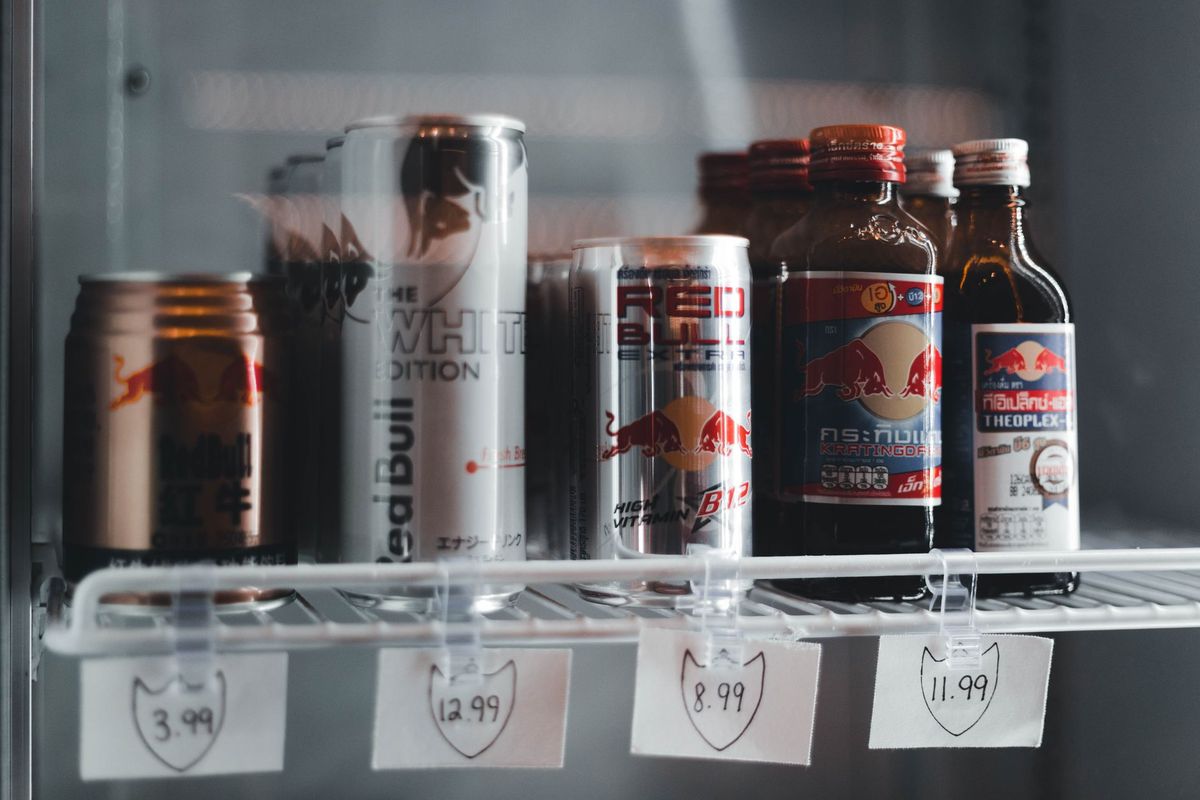
A new ban preventing the sale of high-caffeine energy drinks to individuals under the age of 16 in England is set to come into effect from April. The measure, which aims to address concerns over the health impacts of these beverages on young people, will affect retailers and families across London and the wider UK.
The prohibition targets drinks with high caffeine content, a detail highlighted by various reports, including one from Kent Online, which described the effect of such drinks as “like drinking four cups of coffee”.
Background
The decision to implement this ban follows long-standing discussions and concerns regarding the consumption of high-caffeine energy drinks by children and teenagers. While specific health implications beyond the “four cups of coffee” analogy are not detailed in the provided sources, the focus on caffeine content underscores the rationale behind the new regulation.
This move positions England alongside other regions that have taken steps to restrict access to these products for minors, reflecting a growing awareness of their potential effects on younger demographics. The ban was first reported by outlets such as the BBC and Reuters, with Reuters indicating the policy was announced earlier.
Key Aspects of the Ban
From April, retailers across England will be legally prohibited from selling high-caffeine energy drinks to anyone under the age of 16. This includes supermarkets, convenience stores, and any other outlets where these beverages are currently sold. The ban specifically targets drinks categorised by their high caffeine levels, although the precise threshold for “high-caffeine” is not detailed in the source material.
The measure reflects a commitment to safeguarding the well-being of young people, as outlined by the government’s intention to ban the sale of high-caffeine energy drinks to under-16s, a development reported by Reuters.
Impact on Retailers and Consumers
Retailers will need to ensure their staff are aware of the new age restrictions and are equipped to verify the age of customers purchasing energy drinks, similar to existing protocols for alcohol and tobacco sales. This could involve “Challenge 25” policies or similar age-verification procedures.
For consumers, particularly parents and guardians in London and other parts of the UK, the ban means that children under 16 will no longer be able to purchase these drinks themselves. It encourages a greater awareness of the caffeine content in various beverages and promotes healthier choices for young people.
Frequently Asked Questions
-
Q: When does the ban on energy drinks for under-16s come into effect?
A: The ban preventing the sale of high-caffeine energy drinks to under-16s in England will take effect from April, according to the BBC.
-
Q: What types of drinks are included in the ban?
A: The ban specifically targets high-caffeine energy drinks. Kent Online highlighted that some of these drinks have caffeine levels comparable to “four cups of coffee”.
-
Q: Where will the ban apply?
A: The ban will apply across England, affecting retailers in London and all other regions of the country.
What This Means for You
For Londoners and families across the UK, the impending ban on energy drink sales to under-16s marks a significant shift in retail practices and health policy. Parents will no longer face the challenge of their children purchasing these high-caffeine beverages directly. Retailers, including corner shops and major supermarkets, will need to update their sales policies and train staff to ensure compliance from April.
This regulation aims to support the health and well-being of young people by limiting their access to drinks described by Kent Online as having the stimulant equivalent of multiple coffees. It encourages a re-evaluation of beverage choices for minors and reinforces a public health stance on youth nutrition.





Comments are off for this post.