The World Cup 2026 qualifier match between DR Congo and Colombia has garnered significant attention, not only for its importance in the qualification race but also for the fervent and at times controversial behaviour reported among the Congolese supporters. According to Eurosport, the atmosphere surrounding the fixture was characterised by “madness and excess” from the public, with specific reports indicating that “supporters insulted us” during the highly anticipated encounter. This fixture represents a critical step in the ongoing global effort for national teams to secure a place in the prestigious World Cup 2026 tournament. For DR Congo, the prospect of returning to the World Cup stage is a deeply significant ambition, fueling an intense national passion for their team.
Background
This crucial football fixture is an integral part of the World Cup 2026 qualification campaign, where national teams from across the globe are vying for coveted spots in the next major international tournament. DR Congo is actively participating within Group K of these qualifiers, with the current standings and progress of the group meticulously tracked and available, such as through Maxifoot. The national team, affectionately known as the Leopards, carries immense weight as a symbol of national pride and unity for the Democratic Republic of Congo. Prior to the challenging match against Colombia, the DR Congo coach, Sébastien Desabre, conveyed a clear message of confidence in his squad’s capabilities. Speaking to L’Équipe, Desabre stated, “We have shown that we are capable of achieving very good things,” highlighting the team’s belief in their preparation and potential performance. This optimism aligns with the widespread anticipation and hope throughout the country for a successful qualification. Indeed, Eurosport described the nation as “completely crazy about its national team,” underscoring the profound connection and emotional investment the public has in its footballing fortunes. The dream of a World Cup return is a powerful motivator, both for the players and the millions of fans.
Fan Reactions and Controversies
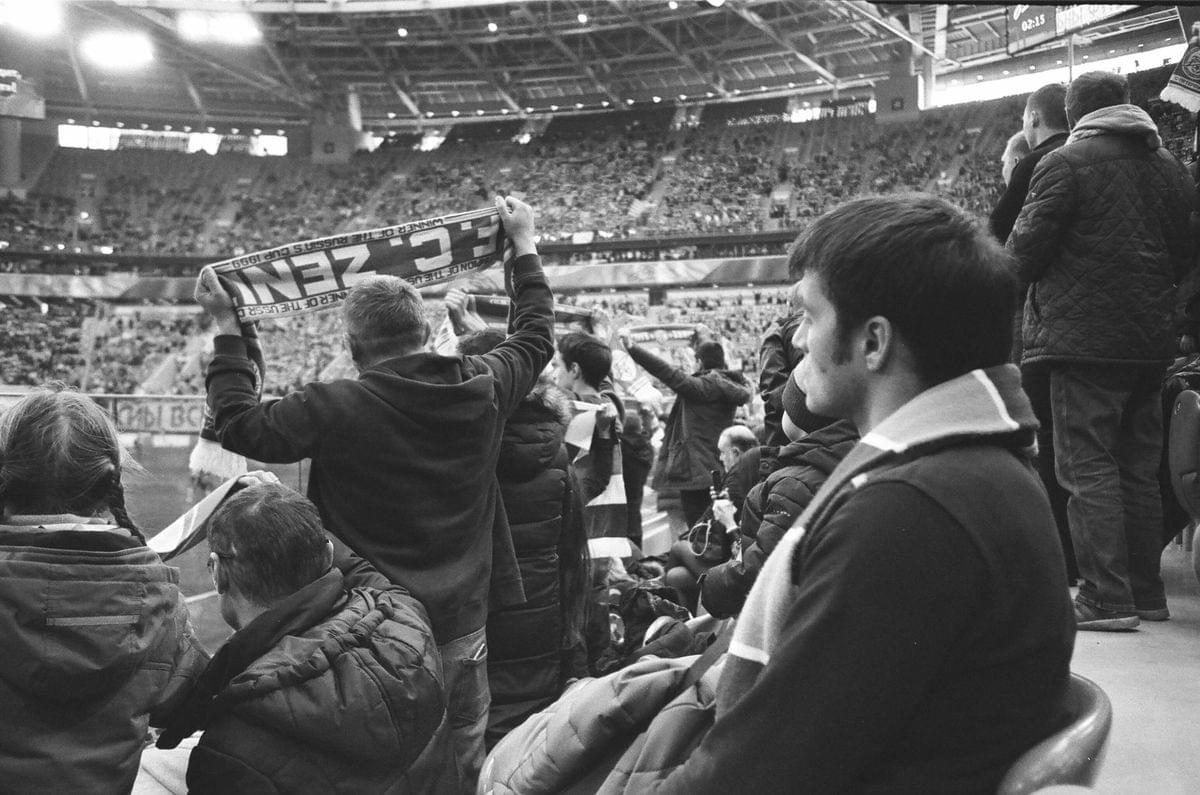
The passion of DR Congo’s national football supporters reached a fever pitch during the World Cup qualifier against Colombia. Eurosport detailed the “madness and excess of the Congolese public” as a defining characteristic of the match day, painting a picture of an extraordinarily zealous fanbase. Among the notable incidents that emerged from the event were explicit claims of “supporters insulting us,” suggesting a potentially hostile environment for opponents or officials. This intense display of emotion, though controversial, deeply reflects the profound connection between the DR Congo national team and its dedicated fanbase. For many, the very idea of qualifying for the World Cup again is not just a sporting achievement but a significant national relief and an opportunity for collective celebration. The high stakes inherent in such a pivotal qualification process inevitably amplify these fervent and sometimes overwhelming expressions of support, making every kick and every cheer a matter of national importance. The sheer dedication and emotional investment of the Congolese public, as noted by Eurosport in their assessment of a country “completely crazy about its national team,” illustrate the powerful cultural role that football plays.
Amidst the fervent fan reactions and the charged atmosphere, the DR Congo national team maintained a resolute focus on their on-field objectives for the qualifier against Colombia. Coach Sébastien Desabre’s pre-match comments, as reported by L’Équipe, provided significant insight into the team’s mindset and collective self-belief. His confident assertion, “We have shown that we are capable of achieving very good things,” articulated an optimistic and determined outlook regarding their current progress and their potential to excel within the demanding qualification campaign. This perspective is vital for a team representing a nation described by Eurosport as “completely crazy about its national team.” For this passionately invested populace, a successful World Cup qualification would undoubtedly be a moment of immense national relief, fostering widespread joy and pride across the Democratic Republic of Congo. The team’s strategic ambitions and on-pitch efforts are thus intrinsically linked to the collective hopes of a populace yearning to see their nation proudly represented on football’s most prestigious global stage. Every match, particularly in the critical qualification phase, is seen not merely as a game but as a step towards realising a cherished national dream.
FAQ
- Q: What controversies were reported during the DR Congo vs Colombia qualifier?
A: According to Eurosport, there were reports of “madness and excess” from the Congolese public, including claims of “supporters insulting us.”
- Q: How does the DR Congo national team’s potential World Cup return affect the country?
A: Eurosport described the country as “completely crazy about its national team,” viewing a potential return to the World Cup as a significant national relief.
- Q: What was Coach Sébastien Desabre’s sentiment before the match?
A: Coach Desabre stated to L’Équipe, “We have shown that we are capable of achieving very good things,” expressing confidence in his team.
- Q: Where can one find information on the World Cup 2026 qualification standings for DR Congo’s group?
A: The classification for Group K of the World Cup qualifiers, which includes DR Congo, can be found on Maxifoot.
What this means for you
For London and UK news readers, the reports surrounding the DR Congo vs Colombia World Cup qualifier offer a compelling insight into the profound global impact and cultural significance of international football. While accounts of fan “excesses” and “insults” from the Congolese public might be noteworthy, they fundamentally underscore the deep emotional investment and unbridled passion that nations worldwide place in their national teams’ pursuit of World Cup glory. This fixture serves as a vivid and potent reminder of the universal appeal and cultural importance of football, extending far beyond the familiar domestic leagues and into diverse international contexts. It provides a unique glimpse into how demanding qualification campaigns can evolve into powerful expressions of national identity, collective aspiration, and communal pride. Staying informed about these international sporting narratives offers a broader and richer understanding of the varied human interest stories and powerful social dynamics that shape the global landscape, highlighting how sport often mirrors deeper societal sentiments and ambitions.




Comments are off for this post.